The Health Edit

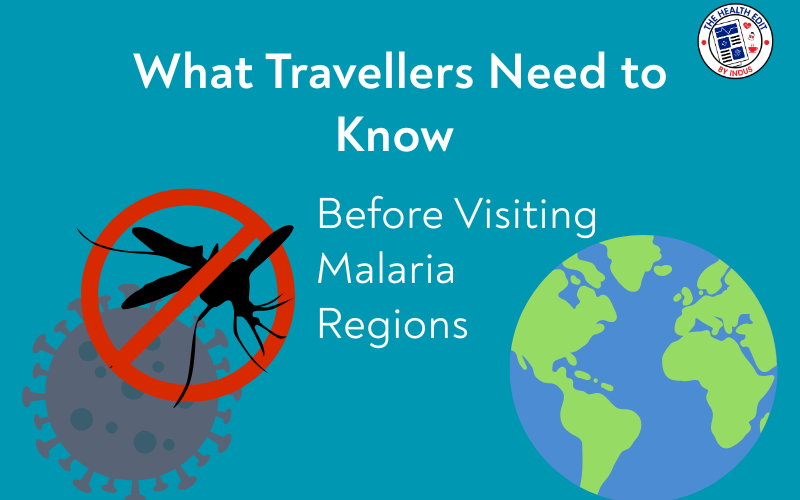
What Travellers Need to Know Before Visiting Malaria Regions

As we move just past World Malaria Day (April 25), the global spotlight briefly returns to a disease that still affects hundreds of millions of people each year. For most travellers from North America, Europe, Australia, and parts of the Middle East, it may feel distant—but for those heading into tropical and subtropical regions, it remains a very real and preventable health risk. Where malaria still exists and why it matters for travellers Malaria is a mosquito-borne infectious

Haemophilia: Understanding a Lifelong Bleeding Disorder

World Haemophilia Day: Raising Awareness for a Rare Blood Disorder Observed every year on April 17, World Haemophilia Day is dedicated to increasing global awareness of haemophilia and other inherited bleeding disorders. The day emphasises early diagnosis, equitable access to treatment, and improved quality of life for individuals living with these conditions. What is Haemophilia? Haemophilia is a rare genetic bleeding disorder in which the blood does not clot properly due to a deficiency of clotting factors—most commonly factor

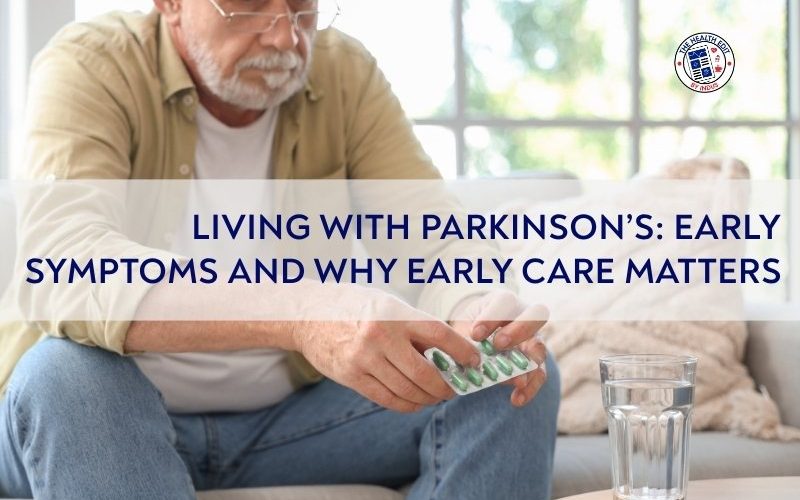
Living with Parkinson’s: Early Symptoms and Why Early Care Matters

Parkinson’s disease is a progressive neurological condition that affects movement, coordination, and, over time, other aspects of daily life. While it is often associated with older adults, early symptoms can appear subtly and may go unnoticed.  Understanding the early symptoms of Parkinson’s disease and seeking timely care can significantly improve quality of life and slow disease progression. What is Parkinson’s Disease? Parkinson’s disease occurs when nerve cells in the brain that produce dopamine begin to deteriorate. Dopamine

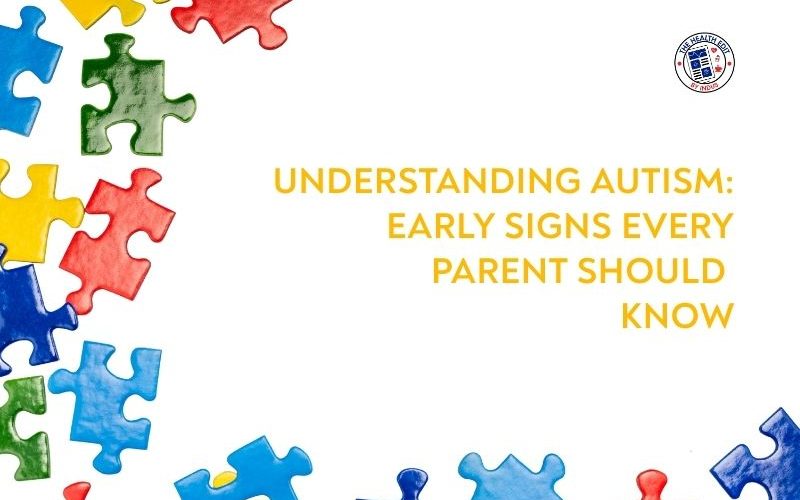
Understanding Autism: Early Signs Every Parent Should Know

Autism, or Autism Spectrum Disorder (ASD), is a neurodevelopmental condition that affects communication, social interaction, and behavior. Recognising the early signs of autism is crucial, as early diagnosis and intervention can significantly improve a child’s development and quality of life. What is Autism Spectrum Disorder? Autism is a spectrum, meaning it affects each child differently. Some children may have mild challenges, while others need more structured support. Common areas impacted include communication, social skills, and sensory processing. With

What Is The Importance of Regular Screenings?

In many cases, illness does not begin with pain; it begins quietly. Conditions develop over time, often without visible symptoms, until they reach a stage where treatment becomes more complex, costly, and uncertain. This is where regular health screenings become not just important, but essential. What Are Regular Screenings? Health screenings are routine tests and check-ups that help detect potential health issues before symptoms appear. They are designed to identify diseases early, when they are most treatable, and

Post-Ramadan & Eid Reset: A Return to Balance

Ramadan brings structure, discipline, and spiritual clarity. Then Eid arrives: full of joy, celebration, and indulgence. But once it’s over, many people feel a dip. The routine fades, and returning to “normal life” can feel harder than expected. That’s where a post-Ramadan reset matters, not to keep up the same intensity, but to hold onto what truly mattered. Keep What Grounded You Ask yourself: What made me feel my best during

How Fasting Helps Maintain Conditions Such as High Blood Pressure (BP)

High blood pressure (BP), also known as hypertension, is one of the most common lifestyle-related health conditions worldwide. It increases the risk of heart disease, stroke, and kidney problems. While medications are often necessary, lifestyle changes including fasting, can play a powerful supportive role in maintaining healthy blood pressure levels. How Fasting Supports Blood Pressure Control1. Promotes Weight Loss Excess weight is a major contributor to high BP. Fasting often reduces overall calorie intake, leading to gradual weight

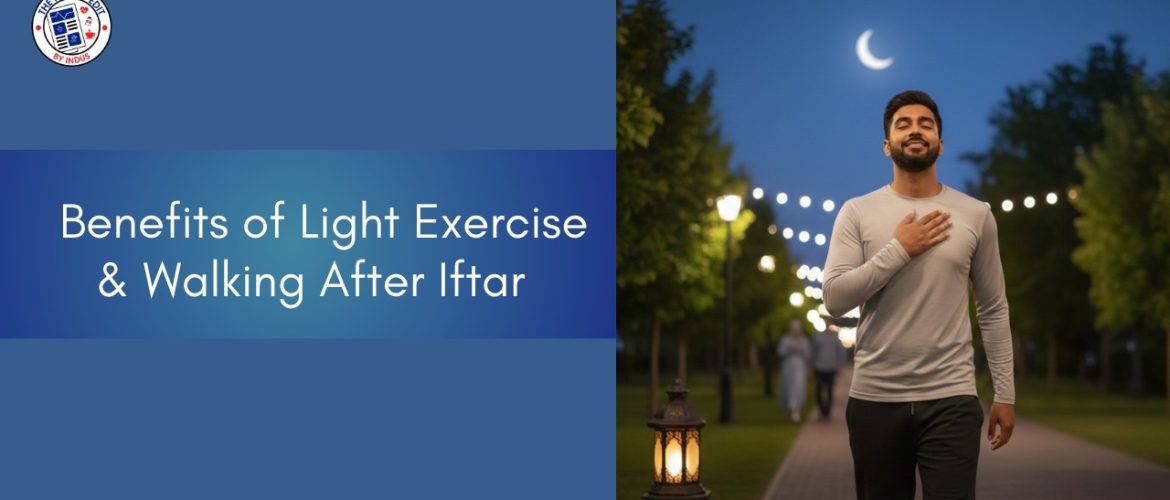
Benifits Of Light Exercise & Walking After Iftar

Ramadan is a time of reflection, self-discipline, and spiritual growth—but it also brings changes to our daily routines and eating habits. After iftar, the body needs gentle care to support digestion, maintain energy, and promote overall health. Incorporating walking and light exercise post-iftar can improve digestion, support cardiovascular health, and enhance well-being—without interfering with your fasting schedule. This health edit shares practical benefits of post-iftar activity and guidance on safe and effective ways to move after meals. 1. Supports Healthy Digestion After breaking

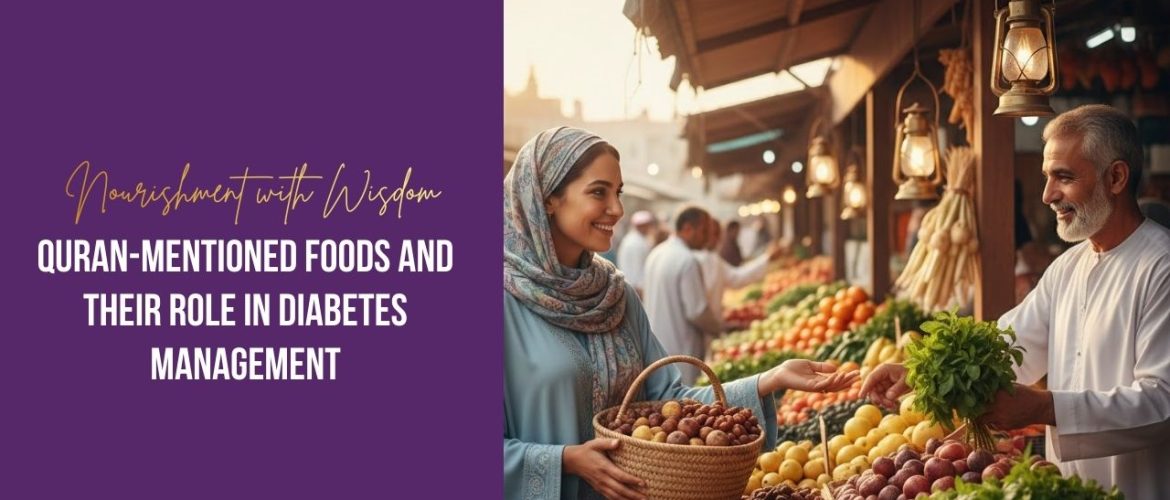
Nourishment With Wisdom

Diabetes management is not only about restricting sugar, it is about choosing foods that support the body’s natural balance. Interestingly, many foods now recommended by modern medical science for blood sugar control are also among those mentioned in the Holy Quran, reflecting a timeless connection between nourishment, moderation, and health. For people living with diabetes or those hoping to prevent it, incorporating these foods into daily meals can help regulate blood glucose, improve heart health,

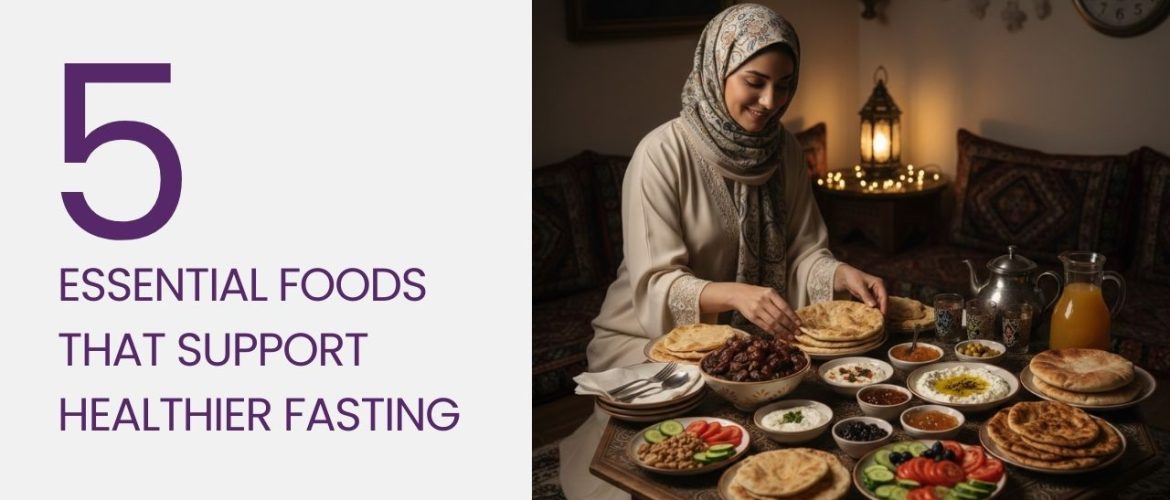
5 Essential Foods That Support Healthier Fasting

Foods That Help You Stay Energized Longer Ramadan is a time of spiritual reflection and discipline, but for patients living with medical conditions, fasting requires thoughtful preparation. Doctors often emphasise that safer fasting is strongly connected to smarter food choices. The right foods can help maintain hydration, stabilise energy levels, and reduce health risks during long fasting hours. Instead of focusing on heavy or celebratory meals alone, patients should prioritise foods that nourish the body slowly

Mode of Payment

Indus Health Australia limited (IHA) Account details BSB. 062 000 Acc No: 17215717 Bank: Common Wealth Bank
Please issue your cheques payable to “Indus Health Australia limited (IHA)” and mail to following address 76 St. George Crescent Sandy Point NSW, 2172