
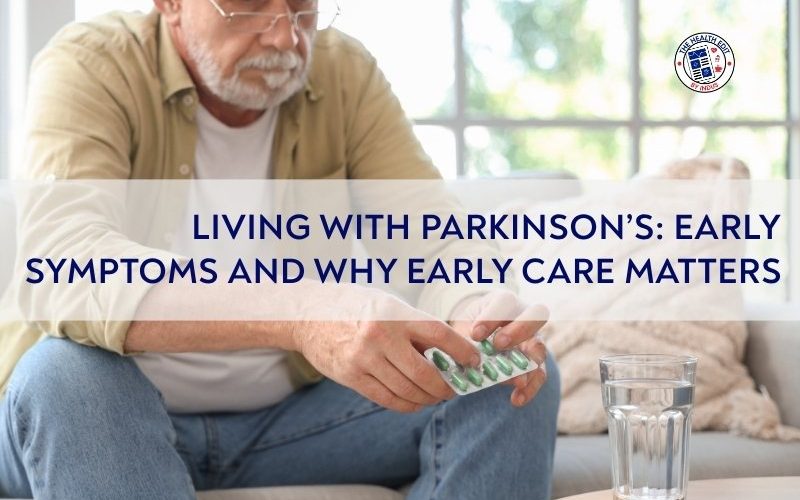

Parkinson’s disease is a progressive neurological condition that affects movement, coordination, and, over time, other aspects of daily life. While it is often associated with older adults, early symptoms can appear subtly and may go unnoticed.
Understanding the early symptoms of Parkinson’s disease and seeking timely care can significantly improve quality of life and slow disease progression.
What is Parkinson’s Disease?

Parkinson’s disease occurs when nerve cells in the brain that produce dopamine begin to deteriorate. Dopamine is essential for smooth and coordinated muscle movements.
As dopamine levels decrease, individuals may experience:
- Movement difficulties
- Changes in posture and balance
- Non-motor symptoms affecting mood and cognition
Parkinson’s is a long-term condition, but with proper care, many people continue to live active and fulfilling lives.


These signs can appear years before motor symptoms, making early awareness essential.
Why Early Diagnosis Matters

Identifying Parkinson’s early allows for better disease management and improved outcomes. Early care can:
- Slow progression of symptoms
- Improve mobility and independence
- Enhance emotional well-being
- Help patients plan long-term care
Timely intervention empowers both patients and families to make informed decisions.
Living Well with Parkinson’s
Although Parkinson’s is progressive, many strategies can help individuals maintain a good quality of life:
- Medical Support
- Speech Therapy and Physical Rehabilitation
- Lifestyle Adjustments
Living with Parkinson’s begins with awareness. Understanding the early signs of Parkinson’s disease and seeking timely care can make a meaningful difference in managing symptoms and maintaining independence.
If you or a loved one notice early changes, don’t delay seeking medical advice. Early care is the first step toward living well with Parkinson’s.

